
Blog
How to Choose a Vacuum Sewage Truck for Municipal or Industrial Work


Choose a vacuum sewage truck by matching the waste, legal payload, pump performance and site access to the actual job—not by tank size alone. A municipal septic route may need a maneuverable liquid tanker, while industrial sludge or sewer jetting can require a different system. Ask for a written, application-specific specification before comparing quotes.
Start with the material and the job
Describe what you will collect: municipal sewage, septic waste, wastewater, sludge, grease or a known industrial liquid. Provide its expected density, viscosity, temperature, solids content and particle size, as well as any corrosive, toxic or flammable properties. Unknown materials need assessment before equipment is selected or deployed.
A liquid vacuum tanker can suit pumpable waste, but thick, abrasive sludge or large debris may need a differently designed system. For sewer-line cleaning, consider whether the job also needs a high-pressure water jet and a separate clean-water supply. A combination sewer cleaner integrates jetting and vacuum collection; a standard sewage tanker should not be assumed to do both.
Have the supplier confirm compatibility of the tank, coatings, seals, hoses and pump system with each identified material. Hazardous or flammable waste needs a purpose-specified system, trained personnel and local compliance; a general sewage truck is not automatically suitable.
Separate tank capacity from legal payload
Tank capacity is a volume, not permission to carry that volume on the road. A vehicle’s gross vehicle weight rating (GVWR) covers the loaded vehicle, including its chassis, body, equipment, fuel, occupants and cargo. Morgan Truck Body explains the distinction between GVWR and payload. Applicable road and axle limits may reduce the usable load further.
For an illustrative calculation only, suppose an 8 m³ tank carries waste with a measured density of 1.1 tonnes per m³. A full tank would contain 8.8 tonnes of waste. If the remaining allowance for waste is only 6 tonnes after accounting for the completed truck, crew, fuel, hoses and other carried equipment, the weight-based volume is about 5.45 m³, before any tighter axle or local limit. These are not specifications for any product on this site.
Request an as-built weight, an axle-load calculation for the intended load distribution and the usable waste allowance. Include clean water, tools and optional equipment in the calculation. Verify road limits for the destination and weigh the completed, loaded vehicle when required.
Compare vacuum pumps at the working point
A vacuum pump removes air from the sealed tank; the resulting pressure difference moves material through the suction hose. Satellite Industries explains the system and the influence of lift and hose layout. Pump airflow is an air-volume rating, not a guaranteed wastewater transfer rate. Vacuum level describes the pressure difference available for the work; compare it with airflow at the same stated operating conditions, not just the largest headline number.
Rotary vane, liquid ring or blower?
Gardner Denver describes oil-lubricated rotary vane truck pumps as options for liquid waste collection and discharge; lubrication and filtration need attention. Liquid ring pumps use a compatible sealing liquid and can suit moist gas streams, but the liquid supply, cooling and maintenance arrangement must fit the job. Rotary lobe blowers are another option for selected wet or dry waste systems. The whole system, not the pump type alone, determines material suitability.
Request a pump curve showing airflow at the intended vacuum, with units, speed and pressure reference stated. Compare duty cycle, power take-off or other drive, cooling, noise, maintenance and service support. Lift, altitude, hose restrictions, leaks and waste characteristics can change actual collection time. Do not treat any catalog rating as a field-performance guarantee.
Check suction, discharge and pump protection
Specify the expected vertical lift and the realistic hose length, diameter, routing, couplings and access around the site. Long or restricted runs can reduce performance; solids may settle or block a poorly matched hose. Ask the supplier to size the hose and fittings for your material and operating conditions rather than selecting by diameter alone.
Confirm whether unloading is by gravity, a transfer pump or a system specifically designed for pressure discharge, and check that the receiving facility accepts the connection and waste. Do not assume that a vacuum tank is approved for pressure discharge. Ask for tank level indication, primary shutoff, secondary moisture separation or filtration, and the specified vacuum and pressure protection where applicable. Follow the manufacturer’s procedures for isolating and depressurizing equipment before opening connections.
Build a configuration brief for suppliers
A municipal buyer serving narrow streets might prioritize a compact chassis, practical hose reach and a disposal route with frequent stops. An industrial buyer handling a known abrasive sludge might instead prioritize material-compatible tank and hose components, solids handling and planned maintenance access. These are illustrative configurations only, not confirmed offerings or performance claims.
Send each supplier the same brief: destination country, material analysis, collection volume per stop, desired work cycle, lift and hose run, unloading method, access constraints and disposal point. Request the proposed chassis and axle ratings, tank material and usable volume, weight calculation, pump make and curve, drive, hose and valve specifications, safety devices, manuals, spare parts, warranty and after-sales support. Compare delivered cost and service coverage as well as purchase price.
Explore vacuum sewage truck options, and ask the supplier to verify available models, capacities, pump types and configurations for your destination before ordering.
Plan for the actual site risks
Sewage and sludge can release hydrogen sulfide, which may accumulate in manholes, pits and low-lying areas, according to OSHA. Do not rely on smell: OSHA warns that the sense of smell can stop warning workers. A qualified team should assess the atmosphere and select monitoring, ventilation, protective equipment and an emergency response plan for the specific site.
Assess traffic, unstable ground, overhead obstructions, hose movement, spills and the disposal connection. For flammable atmospheres, static discharge is an ignition risk, as WorkSafeBC notes; only use equipment and controls approved for the assessed material and site. Confined-space work and hazardous-waste handling require trained personnel and compliance with local requirements. Never enter a tank or manhole to attempt an unplanned rescue.
Frequently asked questions
Is a larger sewage tank always better?
No. A larger tank may reduce disposal trips, but the chassis, axle and road limits can prevent it from being filled. It can also make access to restricted sites harder.
Does a higher airflow rating mean faster pumping?
Not necessarily. Compare airflow at the relevant vacuum and check lift, hose layout, waste properties and duty cycle. Airflow is not the same as liquid transfer rate.
Can a sewage vacuum truck carry industrial waste?
Only if the particular waste and the complete vehicle system have been assessed as compatible and appropriate for the intended transport and disposal. Hazardous waste requires trained personnel and compliance with local requirements.
Sources
- Satellite Industries: How a Vacuum Truck Works: Components, Operation, and Fleet Lifecycle
- Morgan Truck Body: What does GVWR mean?
- Gardner Denver Transport Solutions: Truck Vacuum Pumps
- Sewer Equipment Co. of America: Model 900 Combination Sewer Cleaner
- U.S. Occupational Safety and Health Administration: Hydrogen Sulfide in Workplaces
- U.S. Occupational Safety and Health Administration: Hydrogen Sulfide: Evaluating and Controlling Exposure
- WorkSafeBC: Hydrocarbon storage tank explosions and static electricity
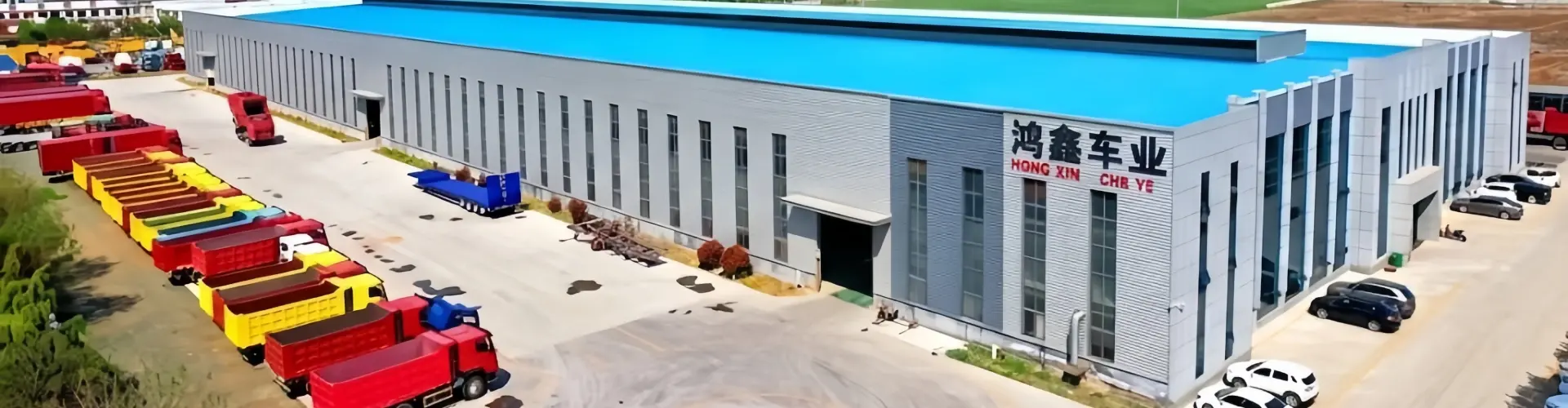
Cover image: AI-generated illustration; not a photograph of an actual product.